Sand Science Experiments and Activities for Kids
Published:
August 9, 2026

Contributor:
Charis King
Disclosure: This post may contain affiliate links, meaning if you decide to make a purchase via my links, I may earn a commission at no additional cost to you. See my disclosure for more info.
Looking for fun sand science experiments and activities for kids? You can turn a trip to the beach, a sandbox afternoon, or even a bin of sand into a hands on science lesson.

Summer time is a great time to tackle science experiments and fun hands – on activities. I enjoy finding themed activities to the seasons we are in. Summer time means lots of time at beaches and lakes during the hot weather. What better time than to do science activities and experiments that use sand?
With Play in the Sand Day coming up on August 11, it’s the perfect time to let your kids play, experiment, get a little messy, and learn some science along the way.
You don’t need a complicated science curriculum or a long list of supplies. Grab some sand, head outside, and let your kids investigate what happens when they add water, build with it, pour it, or even try to make it do something unexpected.
These sand science experiments and activities are perfect for a summer afternoon, a beach day, or a simple science activity when you need something different to do.
Fun Sand Science Experiments
Build a Sandcastle
Building a sandcastle is more than just summer fun. Your kids can experiment with how much water to add, how different amounts of sand affect the structure, and what happens when they change the shape of their castle.
For an extra challenge, see if they can build a sandcastle that holds a small object without collapsing. Then try changing the design and see what happens.
Explore Sand Up Close
Have you ever really looked at a grain of sand?
Grab a magnifying glass and some sand and take a closer look. If you are at the beach, collect a few different samples and compare them. Are the grains all the same size? What colors do you see? Do they look smooth or rough?
This is such a simple activity, but kids can make some surprisingly interesting observations when you give them time to look closely.
Make Magic Waterproof Sand
What happens when you put sand in water?
Try making magic waterproof sand and let your kids investigate why the sand stays dry even when it is surrounded by water. This is a fun way to introduce the idea of hydrophobic materials.
Try a Sand Volcano
If your kids love a good eruption, they will want to try a sand volcano!
Build your volcano out of sand and then add the ingredients that make it erupt. Doing this outside makes cleanup much easier, and your kids get to combine sensory play with a classic science experiment.
Investigate Wet and Dry Sand
Take two handfuls of sand and compare them. What happens when the sand is dry? What changes when you add water?
Let your kids experiment with building, pouring, packing, and shaping both kinds of sand. Ask them which one is easier to build with and why they think that is.
Sand behaves differently when it is wet than when it is dry, which makes this an easy way to get your kids thinking like scientists.
More Sand Science and Sensory Activities
If you want to keep the fun going, try some of these sand activities:
- Bubbling Quick Sand Sensory Play from Paging Fun Mums
- Messy Sand Foam Sensory Play from Little Bins for Little Hands
- Non Toxic Sensory Kinetic Sand Recipe from Surviving a Teacher’s Salary
- Homemade Scented Sand Paint from Learn Play Imagine
- Moon Sand: A sensory experiment in absorption from Lemon Lime Adventures
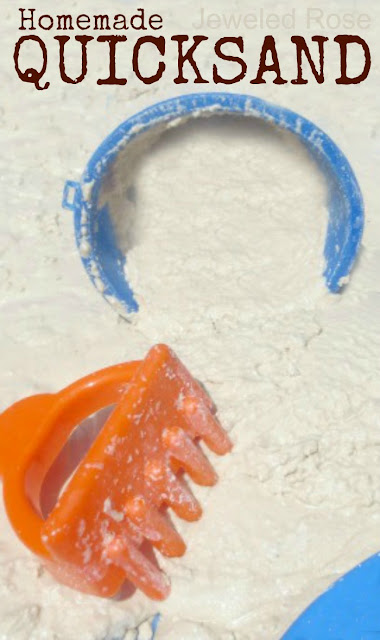
- How to make homemade quick sand from Growing a Jeweled Rose
You can do many of these activities in a sandbox, at the beach, or even in a large sensory bin when going outside isn’t an option.
Sand Science Books for Kids
Want to add a little reading to your sand science? Here are a few books you can look for:
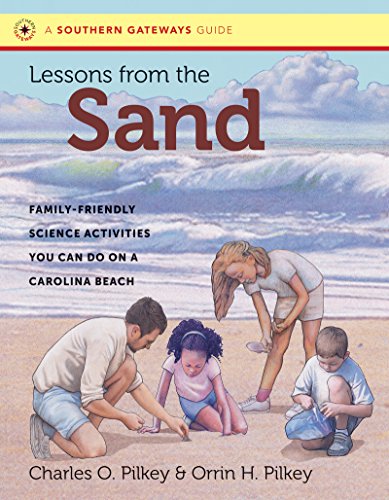
Sand (Jump Into Science)Lessons from the Sand: Family-Friendly Science Activities You Can Do on a Carolina Beach (Southern Gateways Guides)
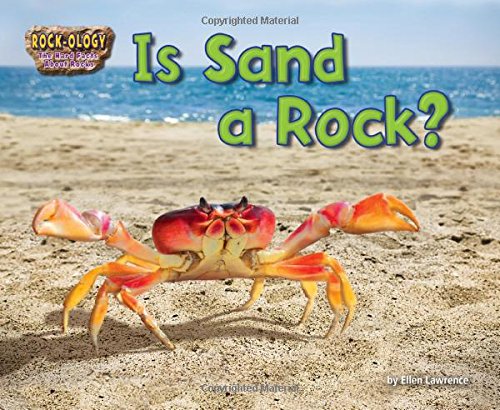
Is Sand a Rock? (Science Slam!: Rock-ology)
How to Code a Sandcastle


Books are a great way to take an afternoon of playing in the sand and turn it into a bigger conversation about rocks, beaches, engineering, and how our world works.
Final Thoughts
You don’t have to make sand experiments complicated. Head to the beach. Pull out the sandbox. Give your kids a bucket and shovel and see what they come up with.
Ask questions. Make predictions. Try something more than once. Let your kids change the experiment and see what happens.
And if they end up covered in sand from head to toe, well, I suppose that is part of the experiment too!
You Might Also Like…
Charis King
Charis King is the owner & steward of Homeschool Giveaways, a wife whose husband lives in Heaven, and a mom of twin daughters currently attending college. She and her husband homeschooled their daughters with the belief that each person is a unique masterpiece of God – created with gifts, interests and talents. (Eph 2:10). Even though the season of homeschooling her own daughters ended a few years ago, Charis is grateful for the opportunity to support other families along their own unique homeschool journey.